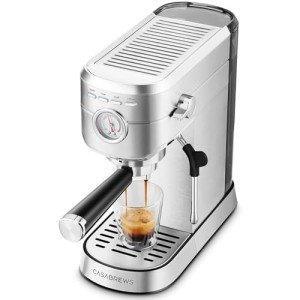
The Rise of Home Espresso Machines: A Comprehensive Guide
As coffee enthusiasts continue to look for fresh and flavorful brews at home, the appeal of home espresso machines has actually surged in recent years. No longer simply the domain of coffee shops and coffee bar, these machines empower people to craft barista-quality espresso drinks from the comfort of their kitchens. This article will explore the various types of home espresso machines, their functions, and considerations for choosing the right one. In addition, it will supply a selection of FAQs to help potential buyers make informed choices.
Types of Home Espresso Machines
Home espresso machines can be categorized into numerous categories based on their systems and user-friendliness. Each type has its special features, pros, and cons.
| Type | Description | Pros | Cons |
|---|---|---|---|
| Manual Espresso Machines | Requires the user to manually control the developing procedure, including techniques like pulling a lever to develop pressure. | - Complete control over brewing process - Compact style | - Requires skill and practice - Time-consuming |
| Semi-Automatic Machines | Machine automates water flow and pressure, but the user still controls the dosing and period of the brewing procedure. | - Balance of automation and control - Versatile | - Learning curve for improving methods |
| Fully Automatic Machines | Automates the whole brewing procedure, from grinding to brewing, frequently with programmable settings for tailored drinks. | - Extremely user-friendly - Quick and practical | - Less control over the brewing process - Higher cost point |
| Capsule or Pod Machines | Utilizes pre-packaged espresso capsules or pods to produce coffee quickly and quickly. | - Extremely simple to use - Minimal cleanup | - Limited taste variety - More expensive per cup than ground coffee |
| Super-Automatic Machines | Combines functions of fully automatic machines with integrated mills, enabling users to brew whole bean espresso and milk-based beverages with one touch. | - All-in-one convenience - Ideal for milk-based drinks | - Often the most expensive - Can be bulky |
Features to Consider
When choosing a home espresso machine, prospective buyers should think about the following features to guarantee they choose a machine that fulfills their needs:
Grinder Type:
- Built-in mills can offer fresher grounds but might need more upkeep.
- Different mills enable for more personalization of grind size.
Pressure:
- Look for machines that produce a minimum of nine bars of pressure, which is optimal for brewing espresso.
Water Temperature Control:
- Machines with adjustable temperature level settings permit better extraction of taste from beans.
Milk Frothing Options:
- Consider whether you desire a manual steam wand for frothing or an automatic milk frother for benefit.
Ease of Cleaning:
- Machines with detachable parts and self-cleaning functions significantly lower cleanup time.
Size and Design:
- Ensure the machine fits conveniently in your kitchen and lines up with your aesthetic choices.
Budget:
- Set a budget before beginning your search, as prices can range substantially from affordable designs to high-end machines.
Advantages of Home Espresso Machines
Owning a home espresso machine uses various advantages:
- Cost-Effective: Over time, brewing espresso in your home can conserve coffee lovers money compared to regular café check outs.
- Modification: Users can explore various beans, grind sizes, and brewing techniques to find their ideal cup.
- Convenience: The ability to brew espresso whenever removes the need to head out to a café, particularly helpful during late nights or mornings.
- Quality assurance: With a home machine, individuals have total control over the quality of ingredients and brewing processes.
Downsides of Home Espresso Machines
However, there are some drawbacks to consider:
- Initial Investment: High-quality espresso machines can be costly, requiring a significant upfront financial investment.
- Learning Curve: Mastering the art of espresso developing can take time and practice, which might be daunting for novices.
- Maintenance: Like any appliance, espresso machines need regular cleansing and maintenance to ensure optimal efficiency.
Frequently asked questions
1. What is the very best type of home espresso machine for novices?
Answer: For newbies, a semi-automatic machine is often advised as it uses a balance between control and automation, enabling you to find out the essentials without frustrating intricacy.
2. How much should I invest in a home espresso machine?
Response: Entry-level machines can start around ₤ 100 to ₤ 300, while higher-end models can range from ₤ 500 to over ₤ 2000. It's necessary to set a budget based on your anticipated use and desired functions.
3. Do Espresso Machines For Sale need a different grinder?
Answer: While some espresso machines come with integrated grinders, buying a different grinder permits for higher modification and makes sure better quality premises.
4. How often should I clean my espresso machine?
Answer: Cleaning frequency can vary by machine type, however it's usually suggested to clean the machine after each use and carry out deep cleansings weekly or regular monthly, depending upon usage.
5. Can I make milk-based beverages with any espresso machine?
Answer: Not all machines come with milk frothing abilities. If you enjoy beverages like lattes or coffees, search for a machine with a steam wand or automatic frother.
Home espresso machines are changing the way coffee connoisseurs enjoy their cherished brews. With various types and advanced functions readily available in the market, there is something for everyone. Whether it's the delight of creating unique recipes or just enjoying the best shot of espresso, buying a home espresso machine can enhance both the coffee-drinking experience and the quality of life for coffee enthusiasts everywhere. As with any financial investment, it is essential to weigh the advantages against the possible drawbacks and choose a machine that effortlessly fits both your way of life and choices.